Kinusaiga: Picking the right foam board
Understanding Foam Types for Kinusaiga: What beginners should know
When you’re starting Kinusaiga, one of the most important choices you’ll make is the foam base. It’s the foundation of your entire piece — the material that holds every tuck, every detail, and every bit of texture. The right foam makes the process smooth and enjoyable. The wrong foam… well, it can make even simple projects frustrating.
Here’s a clear, beginner‑friendly breakdown of the foam types you’ll come across and which ones work best for Kinusaiga.
XPS Foam (Extruded Polystyrene)
Best overall choice - especially for beginners
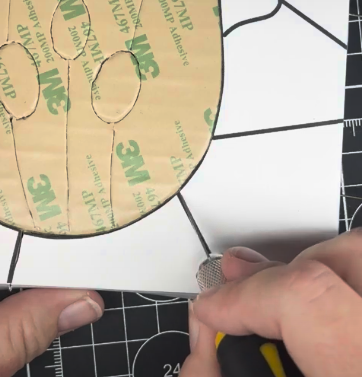
XPS foam is dense, smooth, and holds crisp, clean lines when scored. It doesn’t easily crumble, flake, or shed beads, which means your fabric tucks stay neat and secure. This is the foam used in most high‑quality Kinusaiga kits (including mine) because it gives you the best chance at success.
Why makers love it:
Clean, sharp scoring lines
Fabric tucks smoothly and stays put
Durable and forgiving
Available in craft sheets or insulation panels
Comes in pink, blue, or green depending on brand
If you want a frustration‑free experience, XPS is the foam to choose.
EPS Foam (Expanded Polystyrene / Styrofoam)
Not recommended for Kinusaiga
EPS foam is the lightweight, beaded foam you see in packing materials and floral projects. It’s made of tiny beads pressed together — and those beads love to break apart. When you try to score it, the lines become jagged and crumbly. Fabric won’t stay tucked, and the surface sheds little white particles everywhere.
Why it doesn’t work well:
Cuts are uneven and messy
Channels collapse easily
Fabric pops out or frays
Creates a lot of debris
Difficult for beginners and frustrating even for experienced makers
EPS is great for other crafts, but for Kinusaiga, it’s a headache

Craft Foam Sheets (EVA Foam)
Ok for practice, but not ideal for finished pieces.
EVA craft foam sheets (the flexible kind used for kids’ crafts) can be used for very simple Kinusaiga experiments, but they don’t hold crisp lines. The foam bends instead of cutting cleanly, and fabric tends to slip out over time.
Pros:
Easy to find
Good for testing tiny designs or teaching kids
Cons:
Doesn’t hold deep grooves
Fabric loosens easily
Not suitable for detailed or long‑lasting pieces
Use EVA only if you’re experimenting — not for a real project.
If you would like to see the process in action, head on over to my IG or FB pagae @acraftersjourney!


Comments